We've lived in Martinique long enough to know the difference between what the guidebooks recommend and what actually makes this island extraordinary. Martinique is not a beach-and-cocktail destination, it's a place with volcanic peaks that disappear into the clouds, rum distilleries older than most countries, Créole cooking that rivals anything in mainland France, and a coastline so varied you can go from wild Atlantic surf to calm Caribbean coves in twenty minutes. Here's what you shouldn't miss.
The Fonds Blancs: Martinique's Most Iconic Experience
Imagine standing waist-deep in the Caribbean Sea, a kilometer from shore, on a sandbar of powdery white sand with water so clear it barely looks real. The Fonds Blancs, sometimes called the Baignoire de Joséphine, is something you have to experience at least once. Hire a boat from Le François (most captains know the best spots and will bring ti-punch and fresh accras de morue for the ride out). Spend a few hours floating, drinking, eating, and watching pelicans dive. It's the single most Martiniquais thing you can do.
The Beaches: North to South, a Different World
Martinique's beaches are wildly diverse. In the south, Grande Anse des Salines is the postcard, a long crescent of white sand backed by coconut palms, with calm turquoise water perfect for families. It gets busy on weekends, so arrive early or head to the quieter Anse Mabouya just around the point.
On the Caribbean coast, Anse Dufour and Anse Noire sit side by side but couldn't be more different. Anse Dufour is a tiny white-sand cove where local fishermen still pull in their boats each morning, and the snorkeling is outstanding, sea turtles are almost guaranteed. Anse Noire, just next door, is one of the island's rare black-sand beaches, dramatic and usually deserted. Visit both: it takes five minutes to walk between them.
Further south, Grande Anse d'Arlet is the picture-perfect village with its church spire, colorful fishing boats, and a long beach that slopes gently into warm water. For something wilder, the beaches on the Atlantic side, Anse Trabaud, Anse Bonneville, offer solitude and surf, though the currents can be strong.
The Route des Rhums: Where Rum Becomes Art
Martinique is the only place in the world that produces AOC rhum agricole, made from fresh-pressed sugarcane juice rather than industrial molasses. The difference in flavor is enormous, grassy, complex, alive. The island has over a dozen working distilleries, and visiting them is one of its great pleasures.
Start with Habitation Clément in Le François. Beyond the rum (which is exceptional), the estate itself is magnificent, a restored 18th-century Créole mansion surrounded by sculpture gardens and tropical parkland. It's a cultural experience as much as a tasting.
Distillerie JM, tucked into the northern mountains near Macouba, produces some of the island's finest aged rums. The setting is spectacular, lush green mountains, mist rolling through sugarcane fields. Their vieux rhums are world-class.
Trois Rivières, in the south near Sainte-Luce, offers sweeping views of the sea and Diamond Rock from the tasting terrace. Saint-James in Sainte-Marie has an excellent museum tracing the history of rum production. And La Favorite, just outside Fort-de-France, is a small family distillery that still uses a steam engine from the 19th century, their rhum blanc is a bartender's secret weapon across the island.
A word of advice: pace yourself. These tastings are generous, and the roads between distilleries are narrow and winding.
Saint-Pierre: The Pompeii of the Caribbean
Before 1902, Saint-Pierre was the cultural capital of the French Caribbean, called the Little Paris of the West Indies. Then Mont Pelée erupted, and in minutes, a pyroclastic flow killed nearly 30,000 people. The ruins are haunting and unforgettable: the old theater, the prison cells (where the sole survivor was found), the cathedral remnants. The Musée Volcanologique tells the story well. Saint-Pierre today is a quiet, melancholy town slowly being restored, and it's one of the most powerful places in the Caribbean.
Mont Pelée: The Climb
The volcano itself is hikeable, and on clear days the views from the summit stretch across the entire island and out to Dominica. Start early from the trailhead at L'Aileron, the hike takes about four to five hours round trip, and the upper slopes are often wrapped in cloud by midday. The trail passes through elfin cloud forest, and the final approach is rocky and exposed. It's not technical, but it is demanding. Bring layers, it's genuinely cool at 1,397 meters.
The Presqu'île de la Caravelle
A wild Atlantic peninsula with two marked hiking trails through mangroves, dry coastal forest, and the ruins of the 17th-century Château Dubuc, once the center of the island's sugar and slave trade. The full loop takes about three hours, with panoramic views of the Atlantic and the islands to the north. It's one of Martinique's best half-day excursions, and far less crowded than you'd expect.
Fort-de-France and the Markets
Martinique's capital can feel hectic, but it rewards exploration. The Cathédrale Saint-Louis, with its intricate iron framework designed to withstand earthquakes and hurricanes, is worth seeing. The Bibliothèque Schœlcher, a jewel of late 19th-century architecture, is stunning.
The Grand Marché is the heart of the city. Stalls overflow with spices (colombo powder, bois d'Inde, roucou), tropical fruits, handmade madras cloth dolls, and Créole remedies. On Saturday mornings, the covered market on the waterfront comes alive with food vendors selling accras, boudin créole, and freshly blended juices. Go hungry.
The Food: Créole Cuisine at Its Finest
Martinique's food is one of its greatest assets, and it's chronically underappreciated by international travelers. Start with the fundamentals: accras de morue (salt cod fritters, crispy and spiced, served everywhere as an apéritif), boudin créole (a blood sausage seasoned with chives, peppers, and allspice, nothing like European boudin), and colombo (a curry brought by South Indian immigrants, usually made with chicken or goat, fragrant with turmeric, mustard seeds, and colombo spice blend).
For a proper sit-down meal, court-bouillon de poisson is the island's signature dish, fresh fish simmered in a spiced tomato, lime, and pepper sauce. And don't leave without trying blanc manger coco for dessert: a trembling coconut pudding infused with vanilla and lime zest, light enough to finish any meal.
For restaurants, look beyond the tourist strip. Small family-run lolo restaurants along the beaches of Les Anses d'Arlet and Sainte-Anne serve the most authentic food. In Fort-de-France, the market food stalls are consistently excellent and remarkably affordable.
Practical Tips From Someone Who Lives Here
Rent a car. This is non-negotiable. Public transport exists but is unreliable, and the island's best experiences, hidden beaches, distilleries, mountain trailheads, require wheels. Roads are winding but well-maintained. Drive carefully, especially in the rain-soaked north.
The best months to visit are December through April (Carême, the dry season). Temperatures hover around 28°C, humidity is manageable, and rain is rare. June through November brings the rainy season and hurricane risk, though September and October are the only months we'd genuinely avoid.
The north and south of Martinique feel like different islands. The north is volcanic, mountainous, covered in rainforest, and dramatically beautiful. The south is flatter, drier, and home to the best beaches and most tourist infrastructure. Budget enough time for both, a week minimum, ten days ideally.
Where to Stay
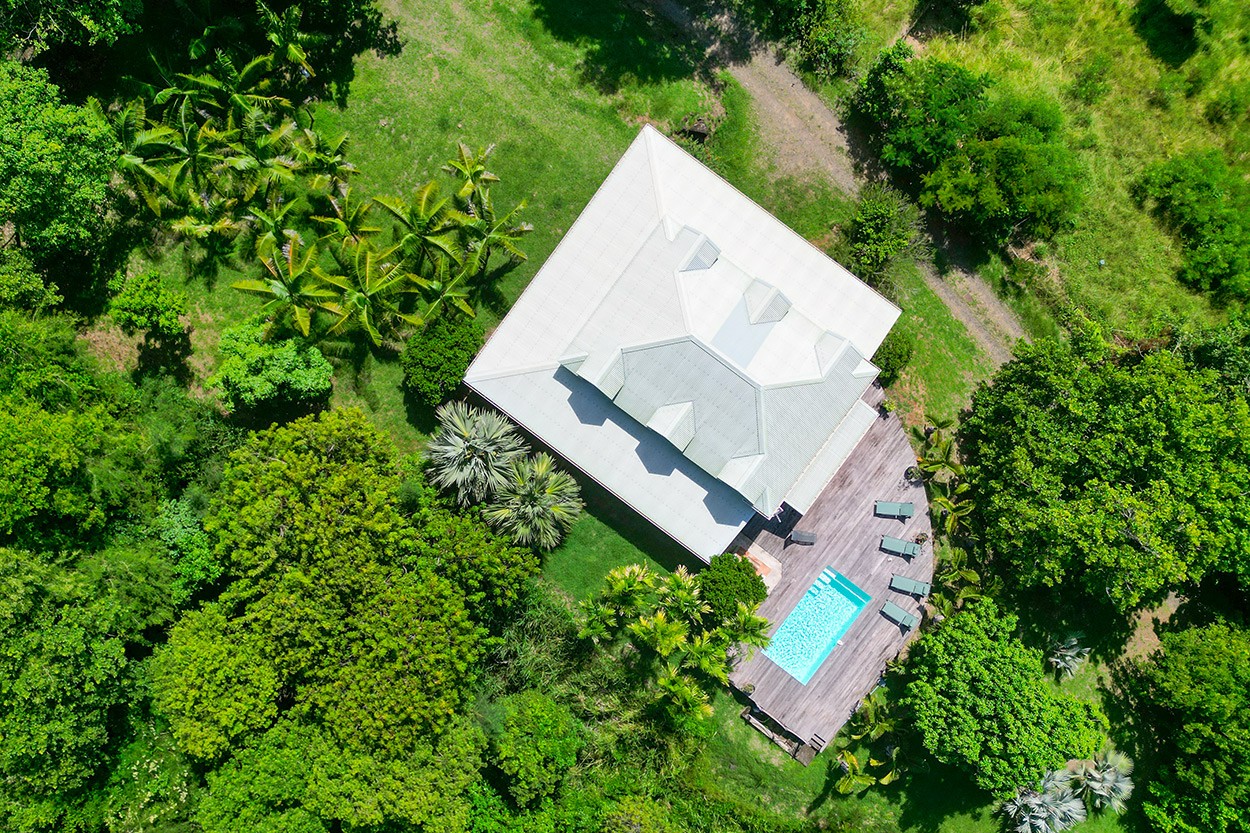
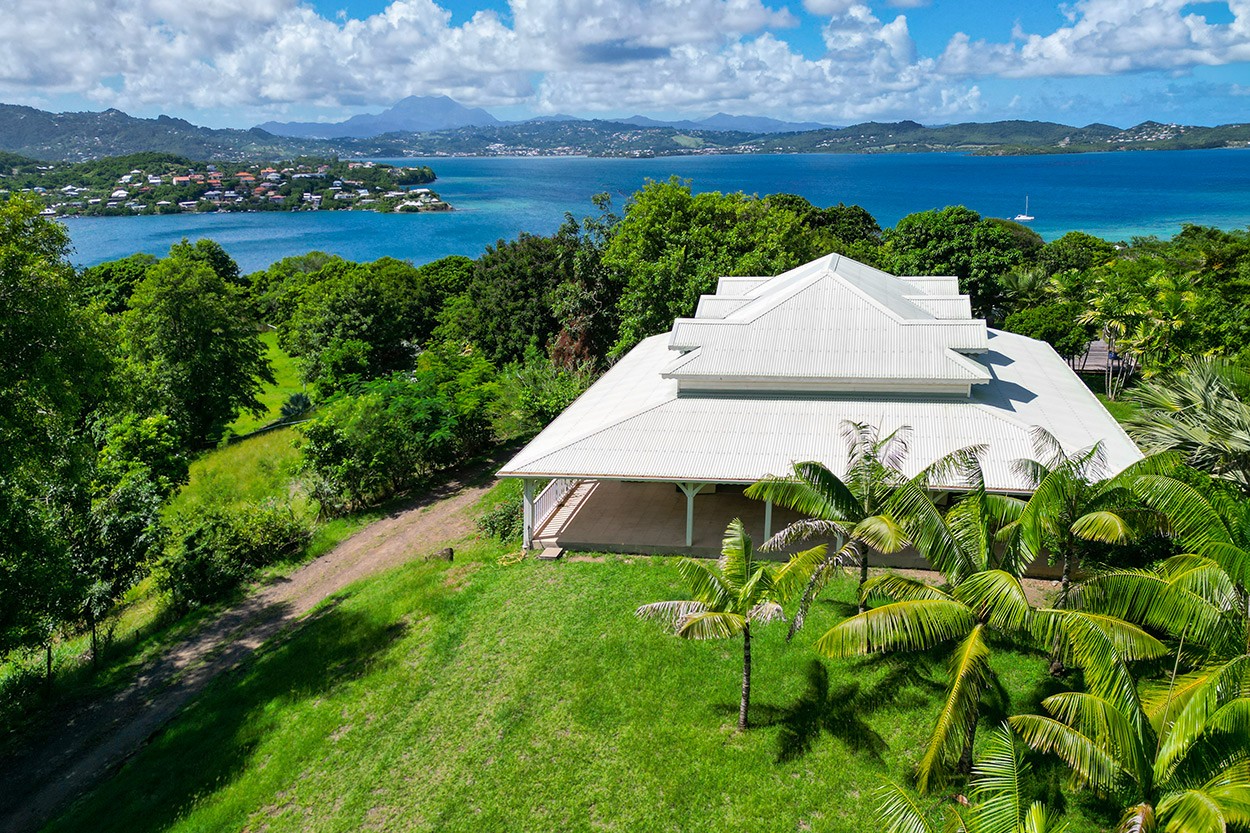
If you're looking for a base that feels like a home rather than a hotel, La Maison Blanche and Le Lodge de Gaalon sit on private estates in the hills above the Caribbean coast, with panoramic sea views, direct beach access, and the kind of quiet that disappears the moment you step into a resort. They're the sort of places where you wake up to hummingbirds and fall asleep to tree frogs, and we wouldn't have it any other way.